Article
Lessons learned about HR in the age of AI from the Philippines’ Grace and Power Executive Dialogue event

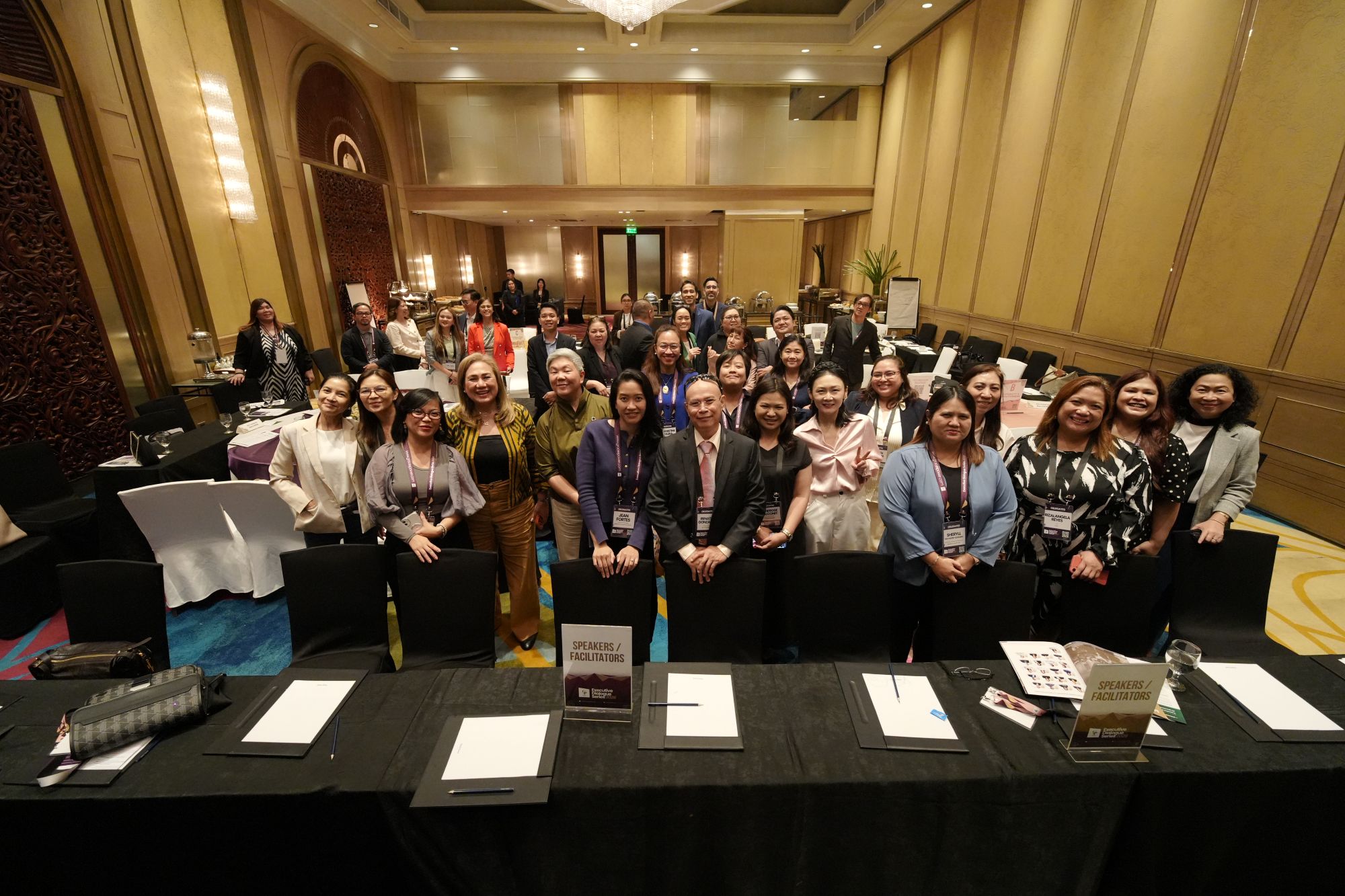
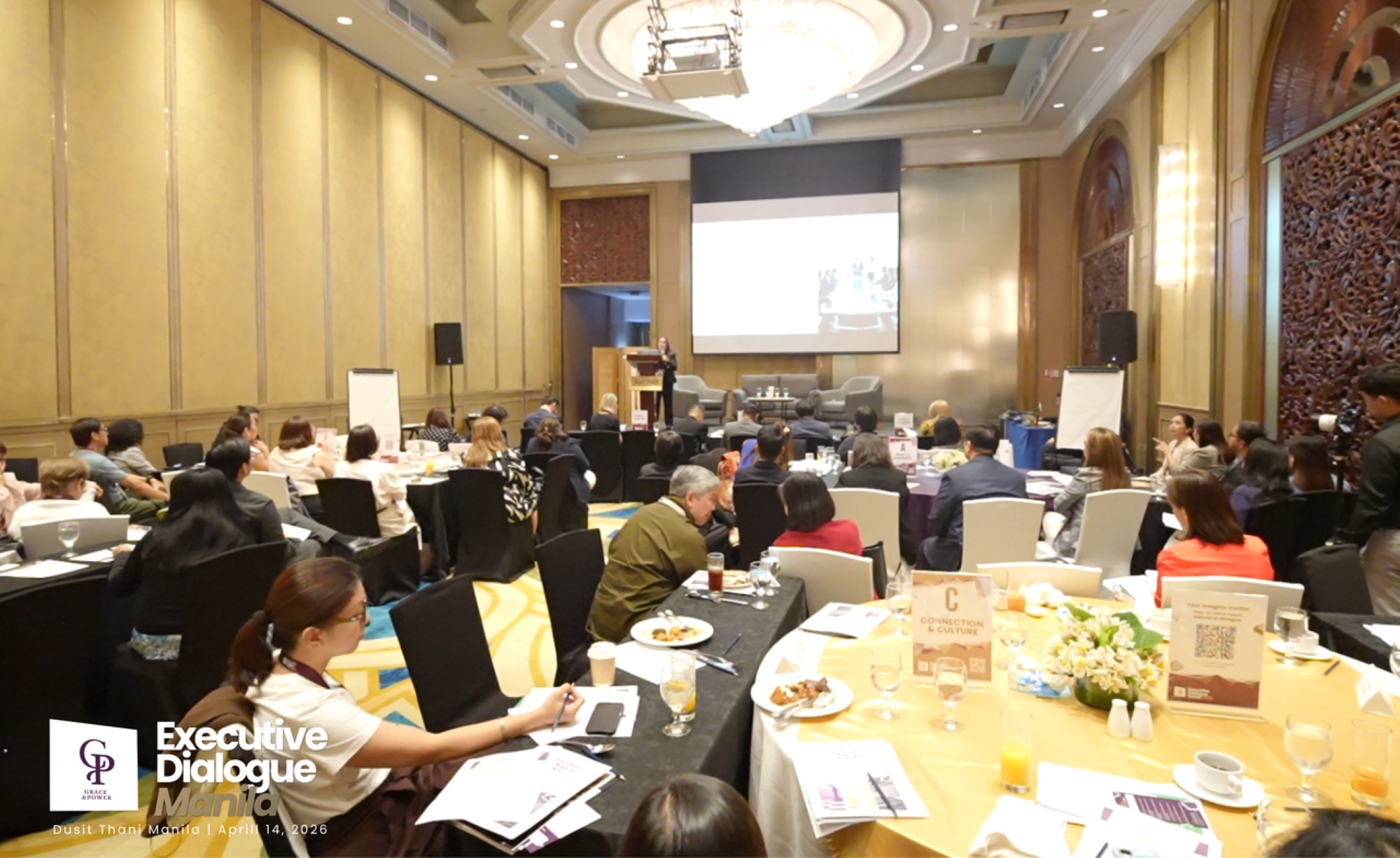
Strada recently partnered with Workday to engage senior HR leaders in the Philippines at the Grace and Power Executive Dialogue Series, a closed-door forum focused on the theme: "Leading the human enterprise in the age of AI: Trust. Capability. Sustainable performance”.
The discussion centered on a critical question facing organizations across the region: are organizations truly ready to lead in the age of AI, or are they still experimenting at the edges?
As a long-standing Workday partner with deep regional and local market experience, Strada brough perspective on how rapid digital adoption in the Philippines is colliding with evolving workforce expectations, and what HR leaders must do next to bridge the gap.
Why AI’s role in HR is such a relevant conversation in the Philippines right now?
The Philippines is at a unique inflection point for HR and workforce transformation, with organizations navigating a multitude of forces including:
- Highly distributed and frontline-heavy workforces
- Increasing pressure to deliver productivity with greater agility
- Rising expectations around employee experience and personalization
- Accelerated adoption of AI and cloud-based technologies
While these trends are driving momentum, they are also widening the gap between technological advancement and leadership readiness. This is exactly why the theme of trust, capability, and sustainable performance resonated so strongly with HR leaders in the attendance.
Is trust in AI is the missing factor for effective adoption in the Philippines?
During the fireside chat, “The trust equation: Governing people, data, and AI in the human enterprise”, leaders explored a challenge many organizations are facing, that AI is being deployed but not always trusted.
Participants identified several causes:
- Lack of clear governance models for AI-driven decisions
- Data fragmentation continues to impact accuracy and confidence
- Employees remain cautious about how AI impacts fairness and transparency
The clear takeaway was that trust is no longer a byproduct of good systems, it must be intentionally designed into systems, processes and leadership behaviours from the outset.
The conversation featured Anirban Dass, Vice President - Asia Pacific & Middle East at Strada and Jess O’Reilly, General Manager ASEAN at Workday. You can watch the full discussion here.
What should leaders not automate when embracing AI?
The dialogue then evolved into executive roundtables led by Priyanka Pradeep Gupta, Country Lead, Singapore Strada, Yeji Kim, Head of Solution Consulting, Growth Markets, Workday, joined by HR leaders.
The focus shifted from technology to decision-making, focused on a key question “How do leaders embrace AI without losing human judgment?”
While organizations across the Philippines are automating processes, leaders emphasized the importance of defining boundaries. Key insights included:
- Not all decisions should be optimized purely for speed
- People-related decisions require human context, ethics, and accountability
- Over-reliance on AI risks eroding leadership ownership
This signals a critical mindset shift for local HR leaders – from an automation-first approach to judgment-led transformation, where AI enhances, rather than replaces, human decision-making.
Why capability readiness is the biggest constraint to AI adoption in HR across the Philippines
While AI promises efficiency, HR leaders consistently highlighted capability readiness as the biggest constraint to adoption in the Philippines. The group pointed to a widening gap:
- Skills are evolving faster than organizations can reskill
- Managers are underprepared to lead AI-enabled teams
- Workforce models are still built for a pre-AI world
The risk is clear. AI transformations without workforce transformation cannot scale or sustain value.
Forward-looking organizations in the Philippines are those who effectively prepare for AI success, with considerations including:
- Skills-based workforce strategies
- Continuous, embedded learning models
- Stronger alignment between technology investments and human capability
 |
 |
Closing the gap between AI awareness and action
Beyond the structured sessions, conversations during roundtables and one-on-one discussions surfaced a consistent theme. While there is growing clarity on what AI can enable, there is increasing urgency around how to implement it responsibly and effectively.
Organizations are moving past discovery. What they need now is a practical, repeatable path to governance, capability building, and leadership enablement, so AI delivers sustainable performance rather than isolated gains.
What are the essential leadership necessities for future HR success in the Philippines?
The Grace and Power Executive Dialogue event reinforced that the future of HR in the Philippines will be shaped by three leadership imperatives:
- Design trust into AI, not as an afterthought, but as a foundation
- Retain human judgment where decisions carry real human-impact
- Invest in capability as a continuous strategy, not a one-time initiative
Technology and AI will undoubtedly transform the enterprise, but long-term success will be dictated by leaders’ ability to evolve alongside it, balancing grace in judgment with power in technology.
Discover more about Strada’s Workday services or explore more about AI in HR by reaching out to our expert team today contact us.